Our aim is to give the children good opportunities for future employment and our goals are to teach practical skills as well as academic.
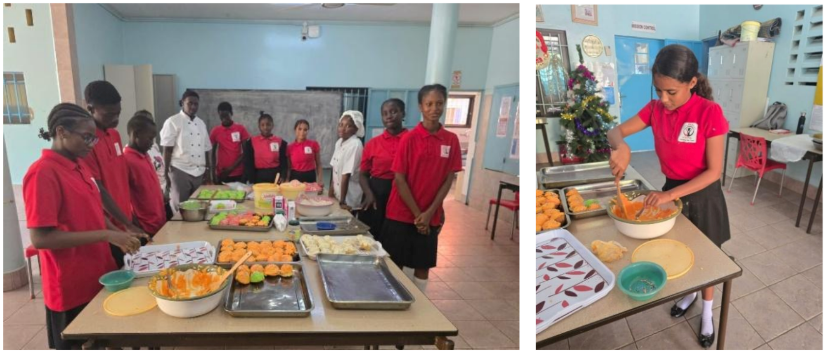
2 new programmes we have started in the secondary school are home economics and life skills, within these programmes children are taught tailoring hand crafts, nutrition and culinary arts. Grade 8 making cupcakes for the Christmas party.
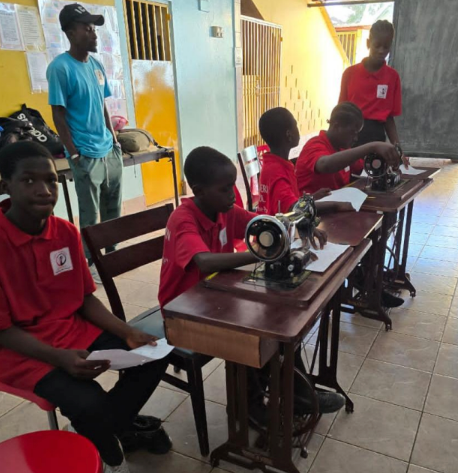
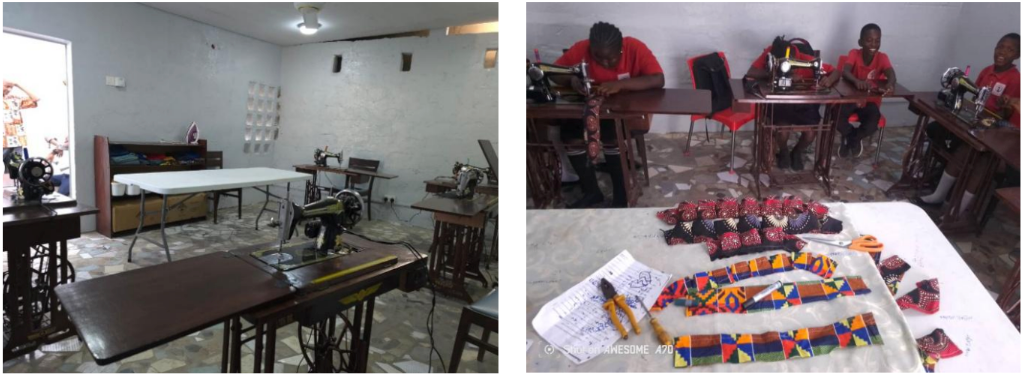
For the life skills we bought six sewing machines which are pedal and electric combined. The peddling is an art in itself! It is important for them to learn on these machines as electricity in The Gambia is so unreliable. We were short of space in the secondary school, and it’s time consuming to take them out and put them away. We realised that the small shell structure that had been made into a store during construction was actual a good-size room, so we came up with the idea of using this former storeroom at the nursery school site, turning it into a tailoring room for our skill centre.
It really is ideal as is tucked away in the corner without disturbing anyone else! Each class is divided into two. Half the class learn machining for half a term, the other half of the class learn skills in crafts such as local jewellery and sandals decorated with beads, then they swap for the second half term, this way each group gains useful experience.
WHAT MAKES JOFI DIFFERENT FROM OTHER SCHOOLS
At Jofi School, children individual needs are of great concern, there are 2
remedial teachers employed, one for nursery and one for primary.
Children are allowed to develop at their own pace. The job of the
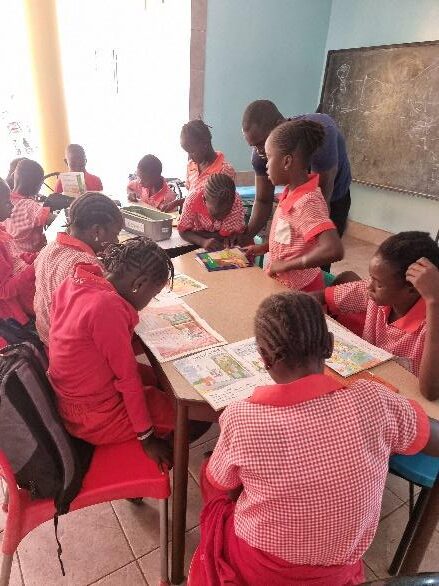
remedial teachers is to encourage and aid children with learning difficulties, a lot of time is spent in small groups to encourage the child to develop reading skills as it is the foundation of every subject.
EXTRA CURRICULUM DEVELOPMENT
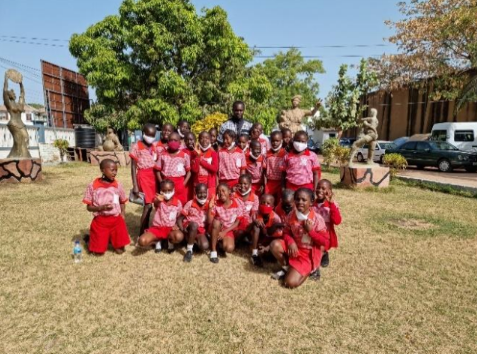
Apart from during Covid the children are taken once a year on a field trip to gain experience outside of the classroom. They are taken one class at a time, so they are only in groups of 20 to 26 pupils. A list of places to visit has been drawn up and each year the children will visit one of those places.
Some of the children have not even been outside of walking distance of the school in Manji.